Why Cooling System Design Matters in Induction Heating
When people think about industrial induction heating, most of the attention naturally goes to the heat. A properly engineered induction system can raise the temperature of a workpiece quickly, precisely, and repeatedly. Behind that performance, however, is another system doing equally important work: cooling.
Induction heating equipment generates significant thermal loads within coils, power electronics, buswork, and other critical components. Without dependable cooling, heat can accumulate where it does not belong, shortening component life and affecting system performance.
That is why cooling system design should never be treated as an accessory to industrial induction heating equipment. It is part of the overall engineering process.
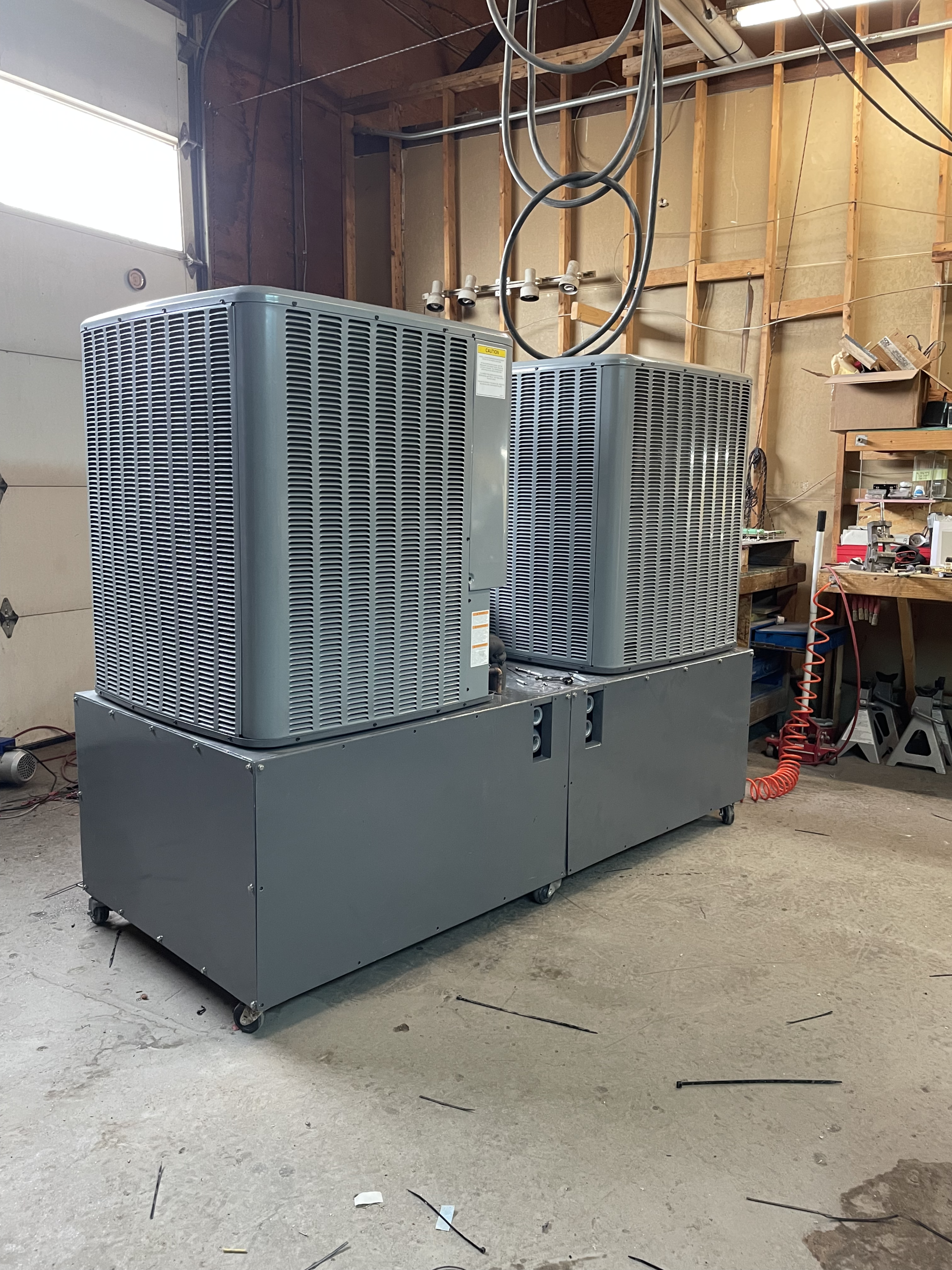
At ESC Induction, we design cooling and closed-loop water systems around the requirements of the equipment and the manufacturing process they support. The goal is simple: provide reliable temperature management so the induction system can perform consistently throughout production.
Why Does Induction Heating Equipment Need Cooling?
Induction heating works by transferring electromagnetic energy into a conductive workpiece. While the process is highly efficient, electrical components within the system still generate heat during operation.
The induction coil is one of the most obvious examples. High electrical currents pass through the coil while it creates the electromagnetic field responsible for heating the part. Water circulating through the coil helps remove unwanted heat and maintain a safe operating temperature.
Cooling may also be required for:
- Induction coils
- Power supplies
- Capacitors
- Transformers
- Buswork and electrical connections
- Other power electronics
Maintaining proper temperatures helps protect these components while supporting reliable production.
The Importance of Consistent Water Flow
Cooling performance depends on more than simply having water available. Flow rate, pressure, water temperature, system capacity, and water quality can all influence how effectively heat is removed.
Insufficient water flow can allow components to operate at higher temperatures than intended. Over time, this may contribute to premature wear, unexpected shutdowns, or additional maintenance requirements.
A properly engineered closed-loop cooling system provides controlled circulation based on the thermal requirements of the equipment. Instead of relying on inconsistent plant water conditions, the system can maintain more predictable cooling performance.
Water Quality Matters Too
Water quality is another important part of induction equipment reliability.
Minerals, contaminants, and debris can accumulate within narrow cooling passages, reducing flow and heat transfer. Conductivity levels can also matter depending on the equipment and application.
Managing water quality helps protect internal passages and maintain efficient cooling throughout the system.
This is particularly important for manufacturers operating equipment continuously or in demanding production environments where small changes in cooling performance can become significant over thousands of production cycles.
Cooling and Coil Life
A custom induction coil performs demanding work every time a heating cycle begins.
In addition to electrical loads, coils may be exposed to radiant heat from the workpiece, scale, mechanical movement, and challenging manufacturing environments. Proper internal cooling helps control coil temperature and supports longer, more dependable service life.
Coil design and cooling design therefore need to work together. The geometry of the coil, water passage size, flow requirements, application, and heating cycle all affect how the system should be cooled.
Cooling Systems Support Production Reliability
Reliable cooling contributes directly to reliable production.
When thermal conditions remain within the equipment's intended operating range, manufacturers reduce the likelihood of temperature-related faults and unnecessary interruptions. That becomes especially important in automated production environments where one piece of equipment can affect the performance of an entire manufacturing line.
Proper cooling supports:
- Consistent equipment operation
- Longer component life
- Improved induction coil reliability
- Reduced risk of overheating
- More predictable maintenance
- Improved overall system uptime
Those benefits make cooling system design an important part of long-term manufacturing efficiency.
Why Closed-Loop Water Systems Are Common in Industrial Applications
A closed-loop water system recirculates coolant rather than continuously drawing new water from a facility supply.
This configuration gives manufacturers greater control over operating conditions and can reduce exposure to contaminants found in some plant water sources. Depending on the application, closed-loop systems may incorporate pumps, heat exchangers, filtration, temperature monitoring, flow monitoring, and other components.
The correct configuration depends on the induction heating system and the environment where it will operate.
Cooling Should Be Engineered Around the Application
Just as ESC Induction does not approach induction heating with a one-size-fits-all machine, cooling systems should not be treated as generic equipment.
A small standalone induction application has very different cooling requirements than a high-production forging line operating throughout multiple shifts.
Our engineering team considers factors such as equipment load, production cycle, power requirements, ambient conditions, facility utilities, coil configuration, and future maintenance when developing a cooling solution.
By looking at the complete manufacturing process, we can develop an industrial heating solution in which the heating equipment, controls, automation, coils, and cooling system work together.
Do Not Overlook the Cold Side of an Induction System
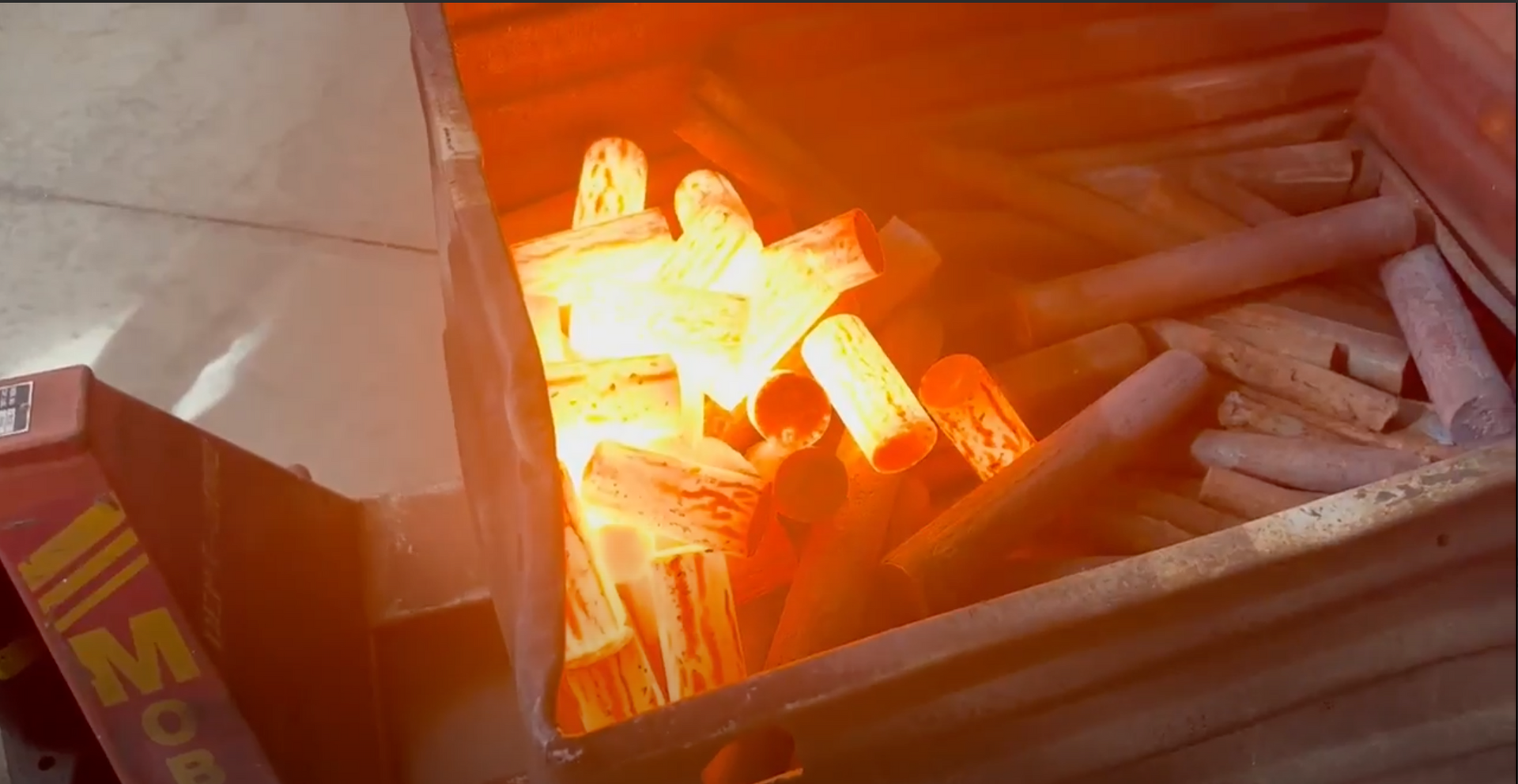
The glowing workpiece might be the most visible part of induction heating, but dependable performance depends just as much on what is happening behind the scenes.
A properly designed cooling system helps protect valuable components, support consistent production, and extend the useful life of induction heating equipment.
At ESC Induction, cooling is considered as part of the complete engineered system, not something added after the machine has already been designed.
If you are planning a new induction heating application, upgrading existing equipment, or experiencing cooling-related problems with a current system, our engineering team can help evaluate the complete process.
Industrial Heating Without Compromise.